

Brazil REDD+ credits generated through the protection and conservation of critical biodiversity and community empowerment.
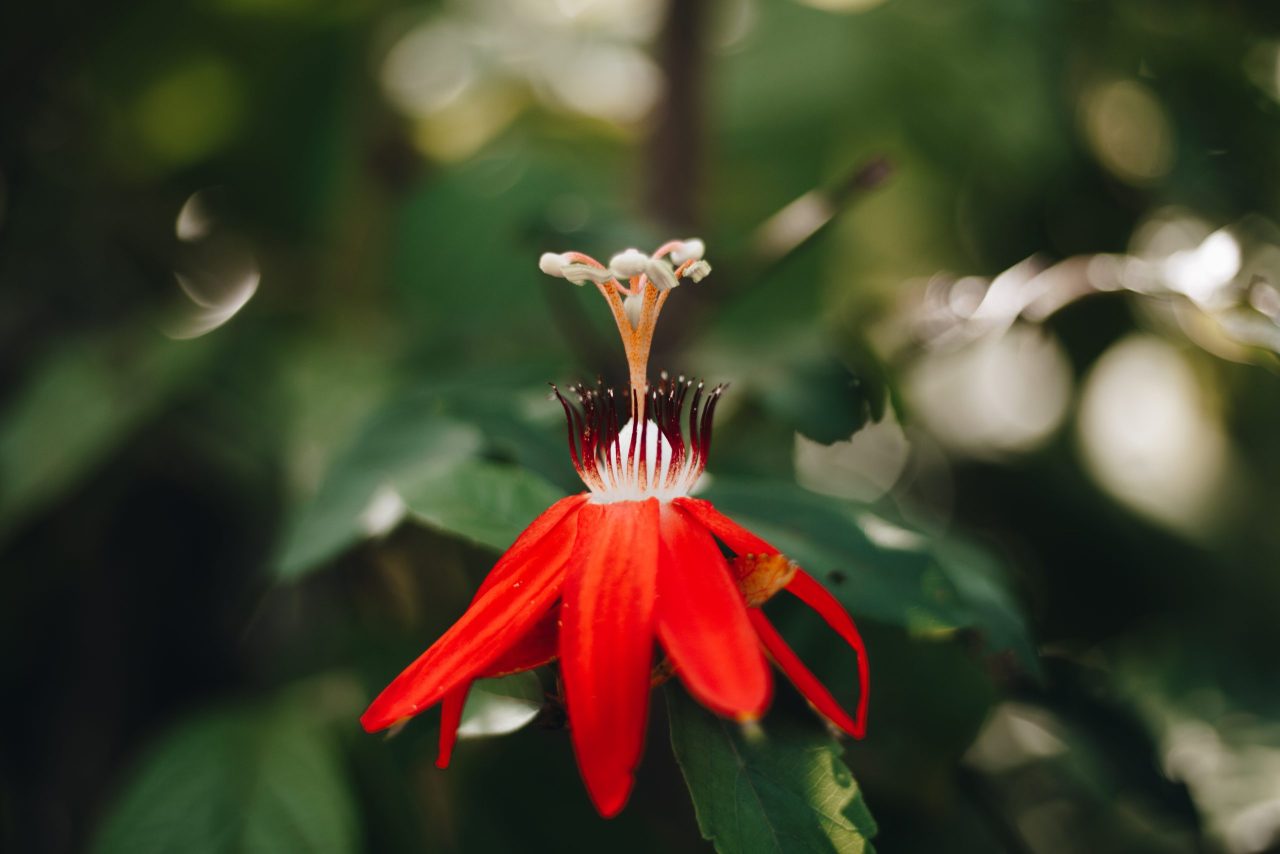
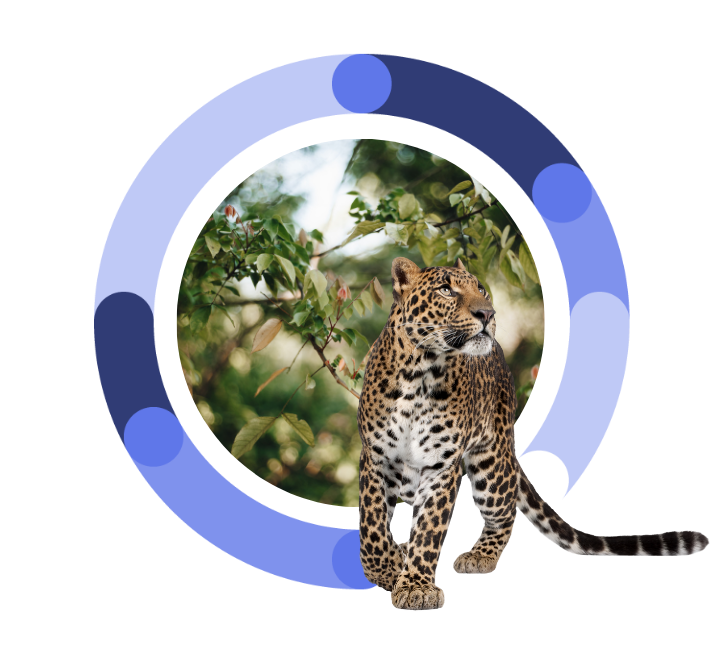
Located in the municipality of Boca do Acre, the region with the highest rate of deforestation in the state of Amazonas, Project Jatobá protects over 94k hectares from planned deforestation and forest degradation. The project follows CCB standards generating benefits for climate, community and biodiversity through forest conservation and social development, as well as preserving the home of several species classified as Vulnerable and Critically Endangered.
The result is high-integrity Brazil REDD+ carbon credits generated through the avoidance of planned deforestation, enhancement of critical habitat, and continued community development.
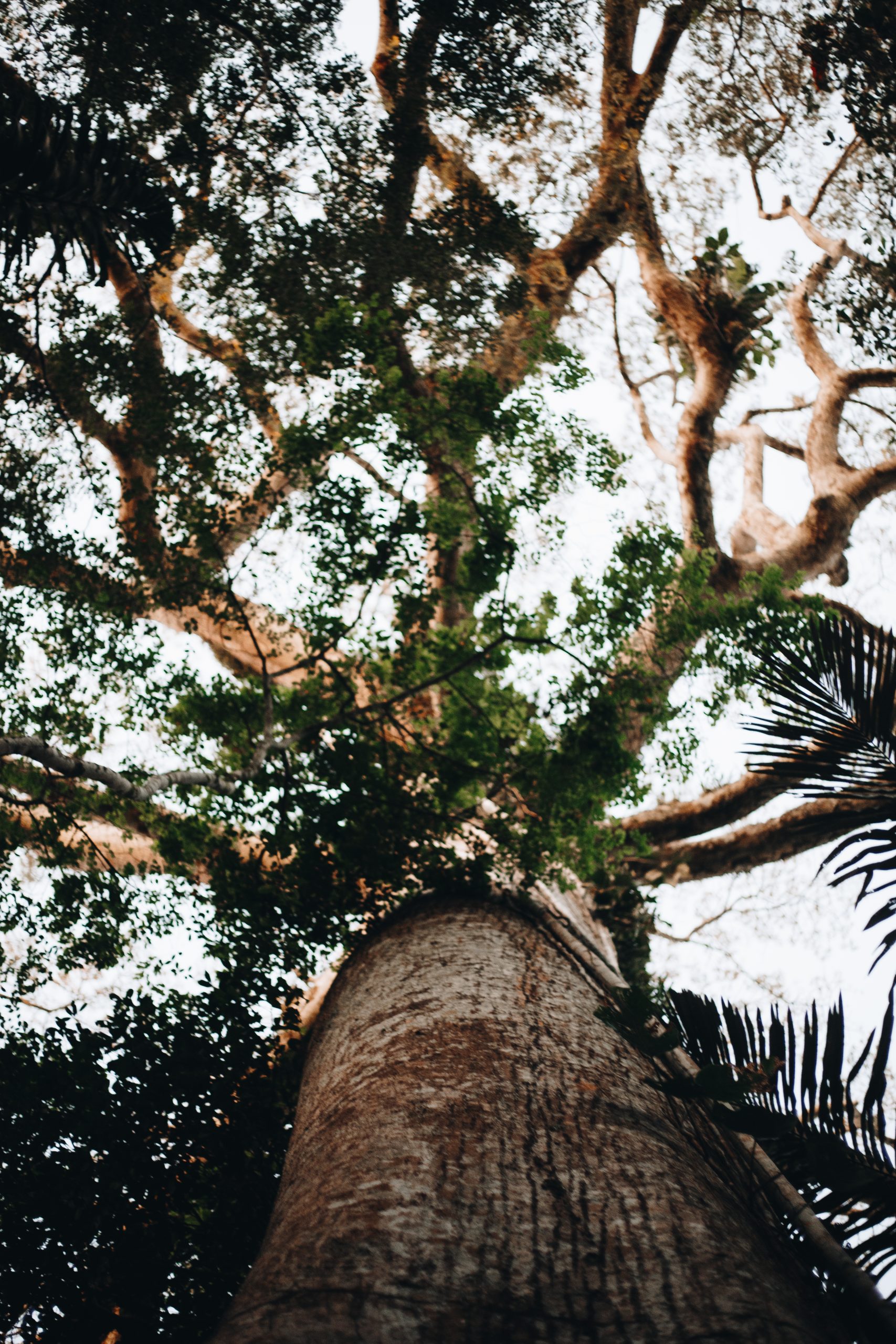


Ten globally-recognized endangered species will benefit from reduced threats as a result of project activities.
Water security, access to electricity, and improved access to information enhance the standard of living for local communities.
Ongoing monitoring and satellite surveillance ensure the continued realization of intended climate, social, and biodiversity benefits.
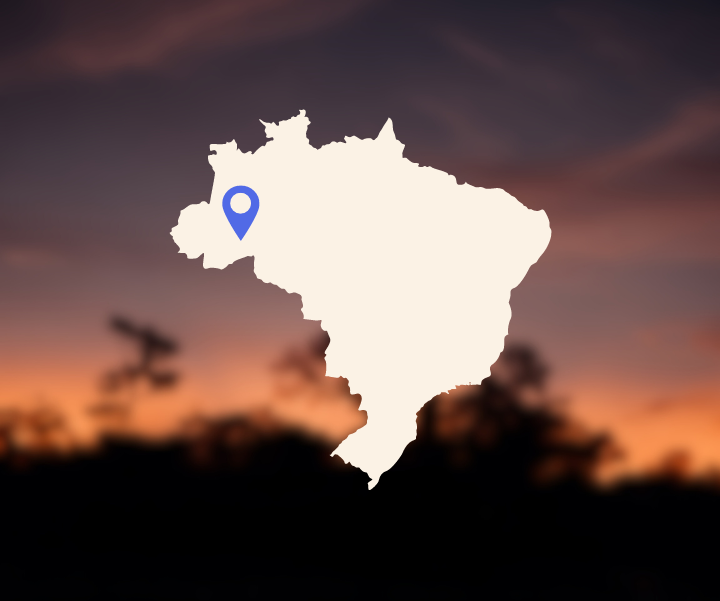
Project Jatobá is located in an area qualifying as a Key Biodiversity Area (KBA) in the western region of the municipality of Boca do Acre in the State of Amazonas and encompasses over 18k hectares planned for deforestation. The project area is considered under threat due to the ease of access afforded by major regional highways and river access, which connect the municipality with the rest of Brazil for trade with international markets. With the regional economic base comprised primarily of cattle farming and without protections, deforestation and degradation are a very high threat.
Project Jatobá is also located near Conservation Units (or Protected Areas) of Sustainable Use, which aim to make nature conservation compatible with the sustainable use of natural resources.
A certified BCorp, Moss is a climate tech that uses technology to simplify and democratize access to sustainable solutions. Since March 2020, Moss and its clients have transacted more than 4 million carbon credits that helped conserve approximately 650 million trees in the Amazon in internationally certified and audited projects. The company is developing several of the largest conservation projects in the Amazon, and is a member of the Brazilian Business Council for Sustainable Development (CEBDS).
“We are very happy and honored to have the support and expertise of Invert, a company with an internationally renowned technical team, which has developed important innovations in the field of credit certification protocols.” – Luis Adaime, CEO and Founder at Moss.
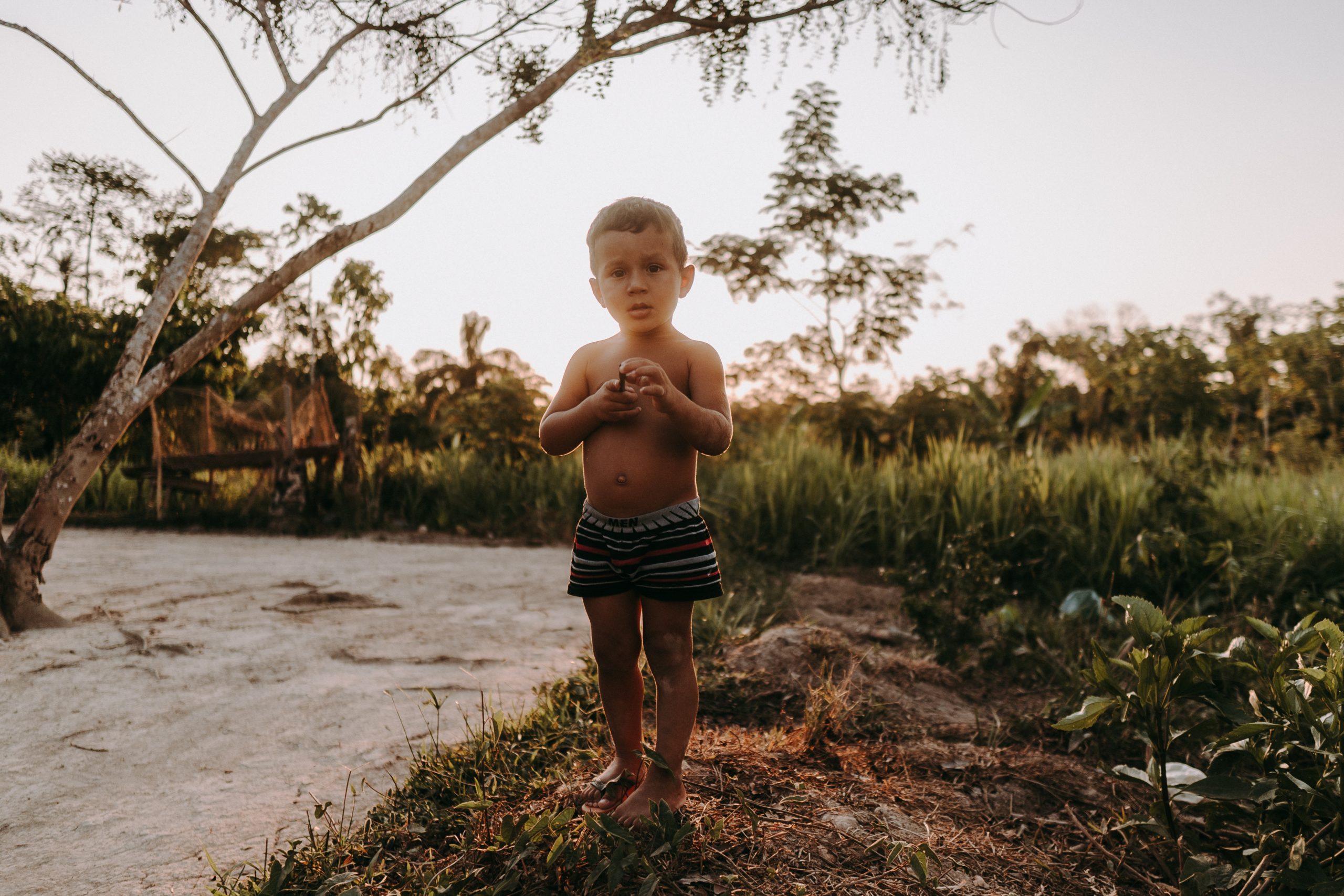
Boca do Acre has five indigenous lands, with the majority of the indigenous population distributed among the Igarapé Capanã and Camicuã. Located next to the project area, the Igarapé Capanã Indigenous Land is inhabited by the Jamamadi, part of the indigenous peoples of the region of the Juruá and Purus rivers. Project activities will deliver critical infrastructure and sanitation programs, electricity, education and access to information, enabling local populations to adapt to local climate change impacts.
As part of Project Jatobá’s commitment to local populations, baseline indicators for community livelihoods considering human, social, environmental, physical, and financial factors have been established and will be monitored throughout the project’s lifetime to ensure ongoing, positive impact.


Dive deep into the project.
To access the latest project documentation, visit the listing for Project Jatobá (ID# 4394) on the Verra registry.
This project adheres to VCS Methodology VM0007, which covers the reduction of emissions resulting from planned and/or unplanned deforestation and forest degradation (REDD). This methodology applies to forest lands, forested wetlands, forested peatlands and tidal wetlands that would be deforested or degraded in the absence of the project activity.
Annual monitoring of forest cover through forest inventories and satellite images, along with periodic monitoring of endangered species will be conducted to ensure project objectives are being met and project benefits are realized.
Systematic monitoring will be implemented in the project area, including river and land patrols as well as satellite surveillance with up-to-date images of the project area.
Verra was founded in 2007 by environmental and business leaders who saw the need for greater quality assurance in voluntary carbon markets. We now manage the world’s leading voluntary carbon markets program, the Verified Carbon Standard (VCS) Program, as well as a suite of other programs, incubate new ideas to generate meaningful environmental and social value at scale, and advance the use of these programs worldwide.
Read more about Verra here.